Welcome to the
Institute for Student Empowerment
The nation's longest and most in-depth independent research project measuring the attitudes and behaviors of disproportionately affected students pertaining to education and its impact on their future financial and overall well-being.
Introducing a Tran-Theoretical
Model for Change
|
How do we reengage disengaged students effectively? By empowering them to see education and information as pathways to financial and personal empowerment. When students from economically disadvantaged backgrounds grasp the value of information as something quantifiable and monetizable, they become more invested in their education. They proactively seek knowledge, attend classes regularly, complete assignments punctually, engage in classroom activities, demonstrate positive behavior, track their academic progress, and ultimately graduate on schedule.
|
|
|
|
Proof of ConceptAfter conducting extensive research and analysis, we identified recurring behavioral patterns among students, including disengagement, absenteeism, and discipline issues, which often culminated in dropping out of school. Our surveys confirmed our initial hypotheses: many students failed to grasp the connection between receiving a quality education and its profound impact on their future financial stability and overall well-being.
To address this challenge, we embarked on a cognitive reshaping process, reframing education as valuable information with tangible economic benefits. By highlighting the potential for education to be leveraged as a commodity, quantified, and monetized, we successfully reengaged students in the learning process. As a result, students exhibited increased participation, credit recovery, and ultimately, successful graduation outcomes. Our efforts enabled us to realize every district's objective and mandate, "To Graduate Every Child." We offer these innovative constructs to all who intend on replicating our successes, ensuring that every student has the opportunity to thrive academically and achieve their full potential. |
Proven Best Practices
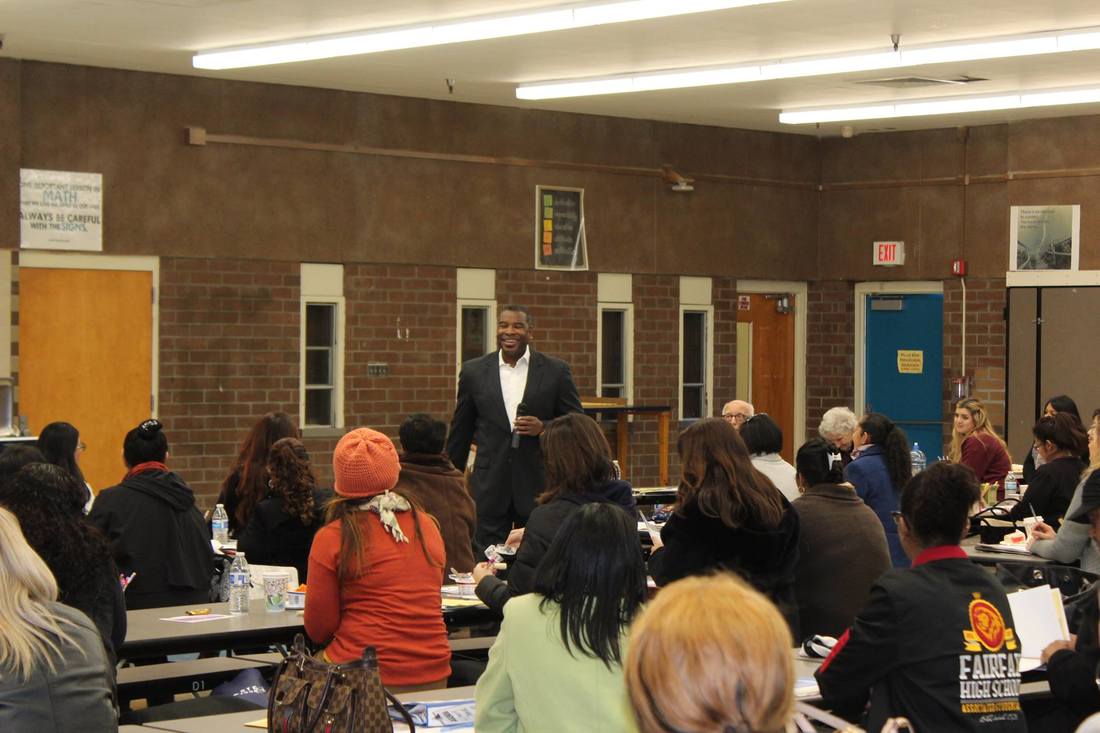
15 years of sharing best practices for reengaging disengaged Black and Brown students, through our Professional Development Workshops
|
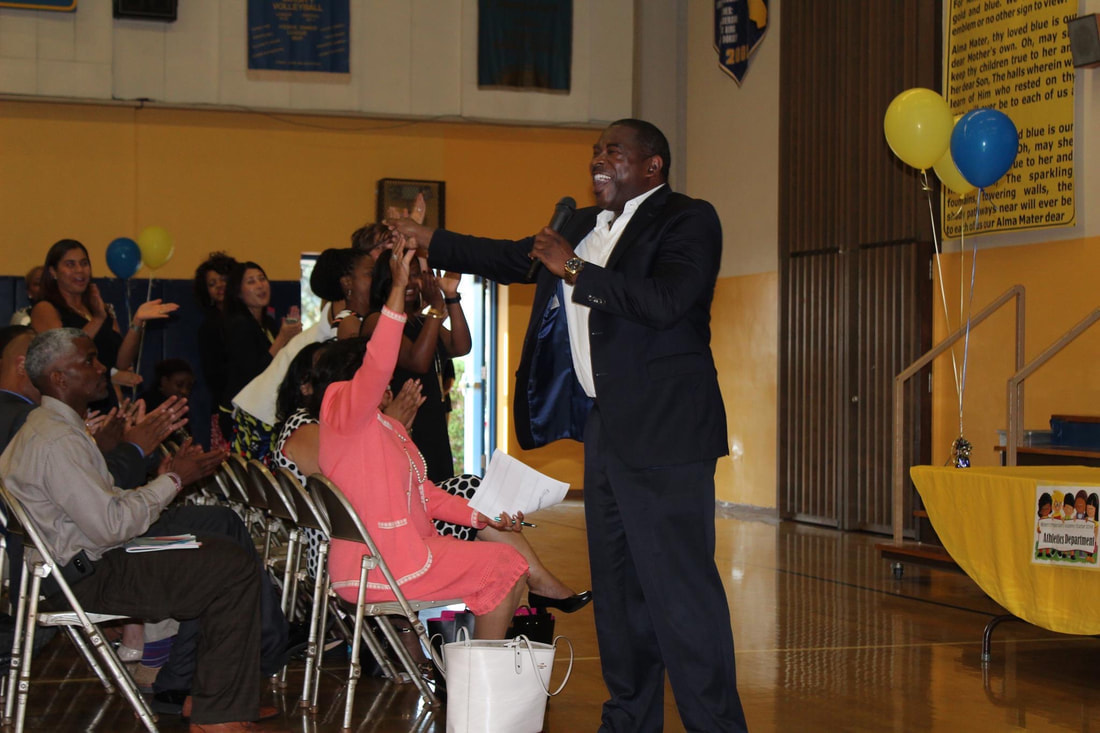
Our innovative approach, rooted in our trans-theoretical model, delivered unexpected outcomes. Teachers began witnessing remarkable transformations in their students and were eager to uncover the strategies driving our success. Recognizing the potential impact, the Curriculum and Instruction department extended an invitation for us to present our insights at their Professional Development Summit. The enthusiastic response from attendees underscored our expertise in effectively engaging disengaged students and led to our organization becoming the districtwide go-to for strategies to reengage disengaged students.
|
|
Relationships Are the Key to Enduring Success
|
In our extensive work with school districts nationwide, we've encountered diverse student populations, including those deemed most challenging. Through these experiences, we've recognized a pivotal factor in the teacher-student dynamic: the importance of effective and nurturing relationships. Whether dealing with difficult behavior or fostering academic growth, the quality of these relationships consistently determines outcomes.
Our approach to relationship-building emphasizes practicality and accessibility for educators. Drawing on our dual roles as practitioners and researchers, we offer insights into the multifaceted dynamics of student-teacher engagement. Our toolbox includes user-friendly tools and evidence-based practices designed to empower teachers in understanding and meeting the diverse needs of their students. By equipping educators with these resources, we aim to cultivate deeper connections and foster more positive outcomes in the classroom. |
For More Of Our PD Workshops Click Here
|
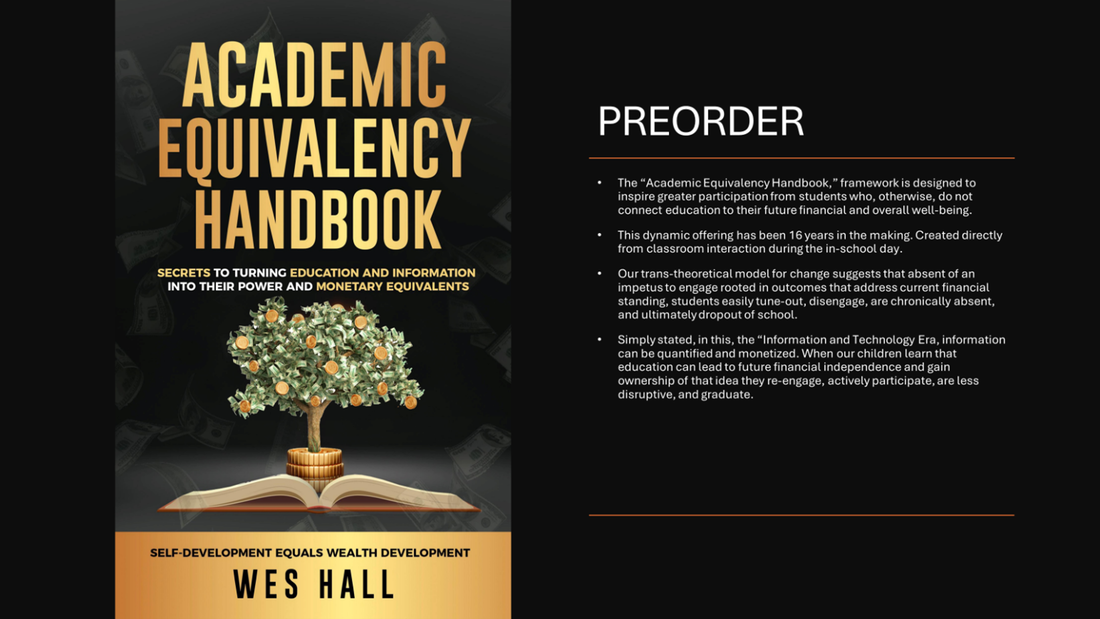
"The Academic Equivalency Handbook," Making Dollars and Sense of Education (C) Wesley F. Hall
Click the file below to download a copy of the synopsis

|
16 Years In the MakingAfter 16 years of dedicated research and teaching, we're still committed to the classroom. This ongoing experience keeps us in touch with today's students and their evolving needs. In an age where NFTs, cryptocurrency, and TikTok influencers dominate the cultural landscape, traditional education sometimes takes a backseat. However, our Academic Equivalency Handbook redefines the narrative. It underscores the enduring value of education, emphasizing how mastering knowledge and its application remain unparalleled pathways to personal empowerment and financial success.
| ||
Are You Struggling With Parent Participation? If So, Try This
Many parents harbor negative perceptions of the educational system, leading them to avoid school visits and feel unwelcome, hindering their ability to support their child's academic journey. To address this, consider framing parent involvement training as opportunities for lifelong learning and empowerment. Offer workshops on financial literacy, leadership development, entrepreneurship, and networking to parents. By integrating training that nurtures and enriches parental growth, you can cultivate a greater sense of support for their child's holistic development.
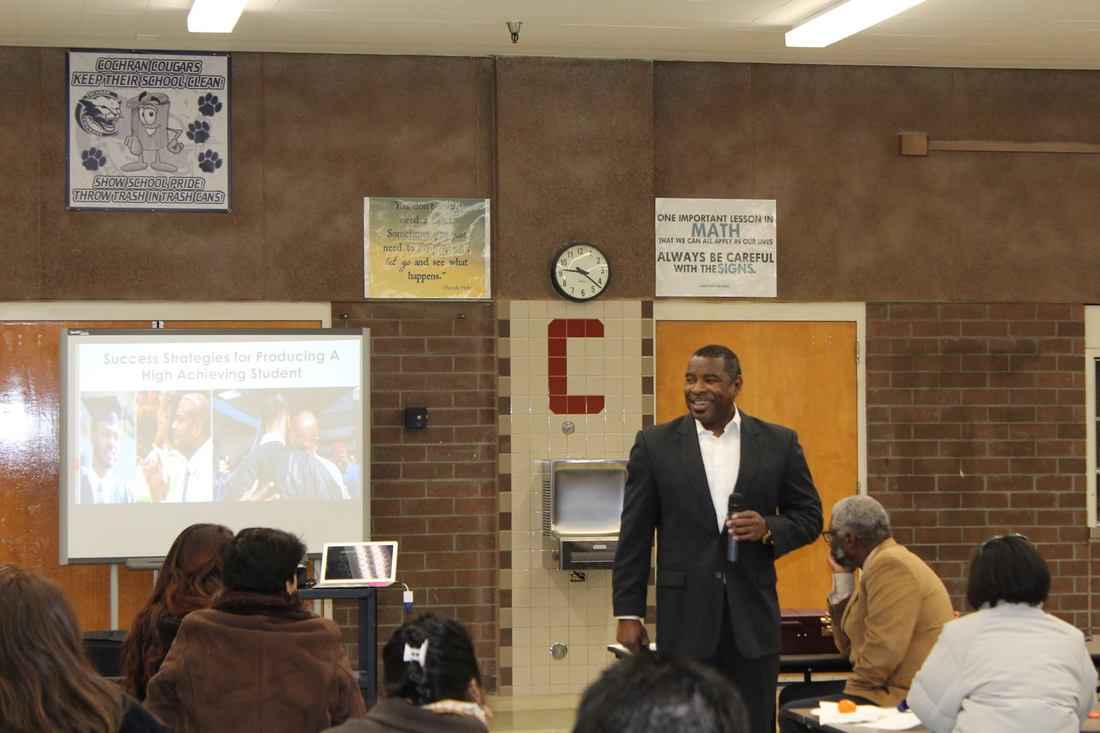
Our workshop, "How to Produce A High Achieving Student," incorporates personal, professional, and financial development for parents. By implementing these strategies we have experienced greater participation among parents at our parent involvement workshops.
Click here for more information about our Parent Training
Our workshop, "How to Produce A High Achieving Student," incorporates personal, professional, and financial development for parents. By implementing these strategies we have experienced greater participation among parents at our parent involvement workshops.
Click here for more information about our Parent Training
|
|
|

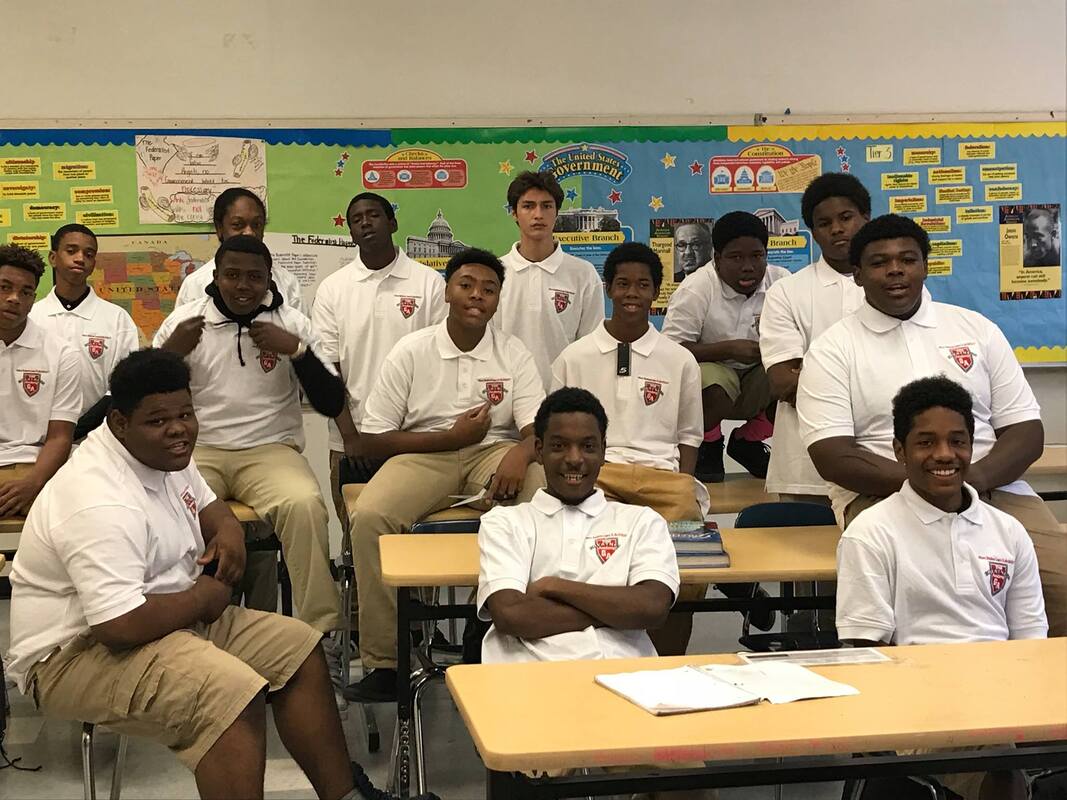
The "Greatness Academy," partners life skills with finances. The course helps students gain a deeper understanding of the value of education and its enormous impact on their future financial and overall well-being. The program is curriculum-driven and can be implemented with both boys and girls or separately. More information can be found here
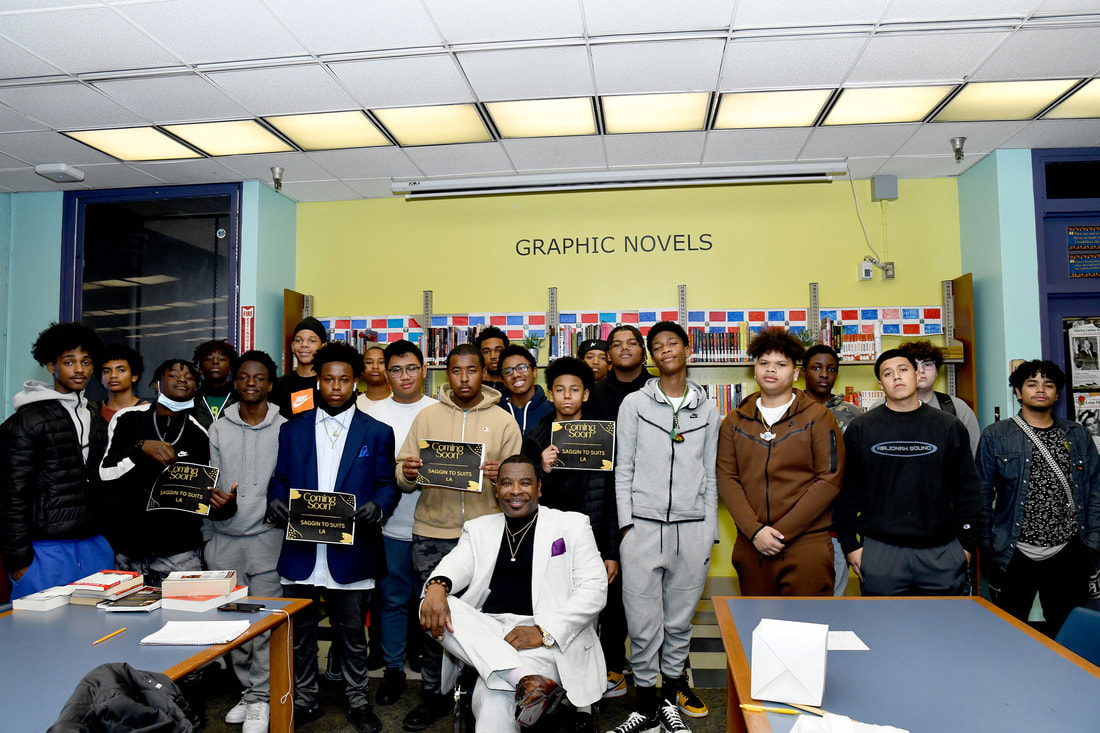
From "Saggin to Suits"
|
There is nothing better than a well dressed man / boy. Teaching our young men the value of adorning professional attire or simply upgrading their wardrobe is the objective of the Saggin to Suits Program.
The program can be established on any campus. Alumni, staff, teachers, and local retail outlets can be mobilized to donate clothing. Our representatives can help to shape the initiative, identify donors, and work with your school to create opportunities where your newly transformed students become "Ambassadors" and peer-to-peer mentors. Reach out to us via our contact form below for more information. |
|
Our Story:
In 2007, Wes Hall, the CEO of the Institute for Student Empowerment, posed a critical question to then Superintendent Dr. John Mackiel of the Omaha Public School District: "How effectively are we equipping students from economically challenged backgrounds to connect an 'A' on their report card to their future financial and overall well-being?" Superintendent Mackiel, after a moment of reflection, candidly acknowledged uncertainty regarding the district's efforts along those lines. Mr. Hall would go on to pose that same question to Superintendents in districts throughout the country.
Dr. Mackiel agreed to pilot a program created by Mr. Hall entitled "The Greatness Academy." Using a combination of behavioral modification techniques, sound best practices, and culturally relevant lesson plans, Mr. Hall successfully turned around a classroom of self-proclaimed potential dropouts. The formerly disengaged students re-engaged, attended classes diligently, reclaimed lost credits, and eventually graduated. The program's significant impact attracted widespread attention throughout the city. Channel 3 news covered this phenomenon, and Susie Buffett, the daughter of Billionaire Stock Guru Warren Buffett, generously donated $100,000 to further the program's reach.
What was the "Secret Sauce"? It was quite simple. The students were engaged in a process that was initially foreign to them; therefore, they did not understand why they should vigorously participate, or participate at all. Mr. Hall designed a curriculum aimed to strengthen critical thinking and problem-solving skills, which are essential to connecting a quality education to future financial independence. As soon as students who grew up in impoverished conditions realized that education and information could be the path to future financial success, the educational landscape shifted. Just as aspiring Rappers who discovered that lyrics over a beat can attract millions of dollars, students who understand how education and information can be quantified and monetized engage with vigor, excitement, and positive expectation.
Sixteen years later, our formula is still reshaping the academic landscape. We have essentially created a curriculum within a curriculum. We work within the school day, side-by-side with certified teachers, assuming the dual roles of "Practitioners" and "Researchers." While many of our colleagues who design curricula have been absent from the classroom for years, we operate where the rubber meets the road, directly engaging with the most challenging students.
We are ready to present our comprehensive and proven "Trans-Theoretical Model for Academic Transformation" to any district that is genuinely committed to fulfilling its mandate of graduating every student under their charge. Our educational framework includes pre and post-tests, periodic quizzes, meticulously crafted lesson plans, and a robust set of metrics.
Please reach out to us, and we will gladly share this dynamic framework with you and your team.
We offer a holistic approach to educational reform for Black and Brown students, encompassing student empowerment, professional development, parent involvement, and leadership development.
Dr. Mackiel agreed to pilot a program created by Mr. Hall entitled "The Greatness Academy." Using a combination of behavioral modification techniques, sound best practices, and culturally relevant lesson plans, Mr. Hall successfully turned around a classroom of self-proclaimed potential dropouts. The formerly disengaged students re-engaged, attended classes diligently, reclaimed lost credits, and eventually graduated. The program's significant impact attracted widespread attention throughout the city. Channel 3 news covered this phenomenon, and Susie Buffett, the daughter of Billionaire Stock Guru Warren Buffett, generously donated $100,000 to further the program's reach.
What was the "Secret Sauce"? It was quite simple. The students were engaged in a process that was initially foreign to them; therefore, they did not understand why they should vigorously participate, or participate at all. Mr. Hall designed a curriculum aimed to strengthen critical thinking and problem-solving skills, which are essential to connecting a quality education to future financial independence. As soon as students who grew up in impoverished conditions realized that education and information could be the path to future financial success, the educational landscape shifted. Just as aspiring Rappers who discovered that lyrics over a beat can attract millions of dollars, students who understand how education and information can be quantified and monetized engage with vigor, excitement, and positive expectation.
Sixteen years later, our formula is still reshaping the academic landscape. We have essentially created a curriculum within a curriculum. We work within the school day, side-by-side with certified teachers, assuming the dual roles of "Practitioners" and "Researchers." While many of our colleagues who design curricula have been absent from the classroom for years, we operate where the rubber meets the road, directly engaging with the most challenging students.
We are ready to present our comprehensive and proven "Trans-Theoretical Model for Academic Transformation" to any district that is genuinely committed to fulfilling its mandate of graduating every student under their charge. Our educational framework includes pre and post-tests, periodic quizzes, meticulously crafted lesson plans, and a robust set of metrics.
Please reach out to us, and we will gladly share this dynamic framework with you and your team.
We offer a holistic approach to educational reform for Black and Brown students, encompassing student empowerment, professional development, parent involvement, and leadership development.